Six Ways to Extend the Life of Your Roof in Perth's Climate
Perth’s hot, dry summers and wet winters put roofing materials under year-round pressure. In Armadale, leaf litter from nearby trees, strong winds and seasonal storms can add to that wear. While every roof eventually needs replacing, regular maintenance helps prevent avoidable damage and keeps small repairs from becoming expensive problems.
These six practical steps help protect tile and metal roofs across Armadale and Perth’s south-eastern suburbs.
1. Arrange Regular Roof Inspections
Have your roof professionally inspected at least annually, ideally before winter rain arrives. Arrange an additional check after a severe storm or if you notice a leak. Older roofs, heavily shaded properties and homes beneath large trees may need more frequent attention.
A roofing professional can check cracked or displaced tiles, loose metal sheets, deteriorating fasteners, ridge capping and flashing around chimneys, vents and skylights. Spotting these issues early reduces the chance of water reaching roof timbers, insulation and ceilings.
Avoid walking on the roof yourself. Falls are a serious risk, and walking on tiles or unsupported metal sections can cause damage. Use ground-level observations to flag concerns for a professional.
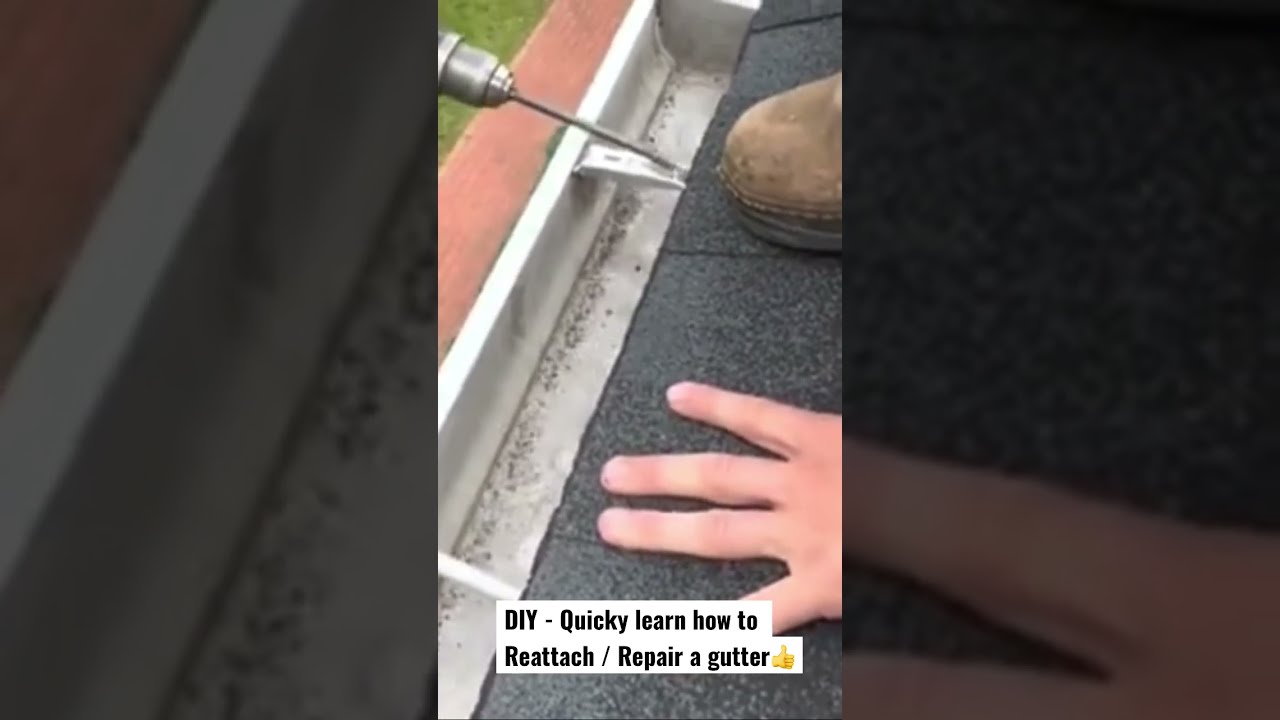
2. Keep Gutters, Downpipes and Valleys Clear
Leaves, bark and debris can obstruct drainage, causing rainwater to back up beneath roofing materials or overflow near walls and foundations. Roof valleys are particularly important because they channel water from adjoining roof slopes.
Arrange gutter cleaning before winter and check for fresh debris after significant leaf fall or windy weather. Properties near mature trees may need cleaning several times a year. Ask the contractor to check downpipe outlets and look for sagging gutters, corrosion and leaking joints.
If gutter guards are installed, keep inspecting them. Gutter guards reduce some debris but do not eliminate maintenance. Fine material can still accumulate above or beneath them.
3. Repair Leaks and Damaged Components Promptly
A cracked tile, loose fixing or failed flashing can admit water during wind-driven rain. Inside the home, warning signs include ceiling stains, bubbling paint, damp insulation and musty smells. The entry point may be some distance from the visible stain.

Arrange an assessment promptly rather than waiting for the next storm. Effective repairs address the source of the leak, not just the interior damage. Depending on the roof, this may involve replacing tiles, renewing flashing, repairing ridge pointing or replacing deteriorated fasteners and sealing washers.
Avoid relying on general-purpose sealant as a permanent solution. Repair materials must suit the roof system, and incompatible metals can accelerate corrosion.
4. Manage Overhanging Trees and Vegetation
Branches touching the roof can abrade protective finishes, dislodge tiles and deposit debris. Dense foliage also slows drying in shaded areas, encouraging moss and lichen growth on some surfaces.
Have a qualified arborist assess branches that overhang or rub against the roof. Appropriate pruning can reduce debris and storm-damage risks without unnecessarily removing useful shade.
Check City of Armadale requirements before pruning or removing trees where approvals may apply. If your property is bushfire-prone or subject to a firebreak notice, follow the current requirements for your property. Clearing combustible roof and gutter debris is particularly important before the summer fire season.
5. Use Roof-Appropriate Cleaning and Protective Treatments
Cleaning methods should match the roofing material and its condition. Aggressive pressure washing can damage tile surfaces, force water beneath overlaps and harm protective finishes. Use a contractor who follows the roof manufacturer’s cleaning guidance and controls runoff from any cleaning products.
On metal roofs, scratches, rust spots and deteriorating coatings deserve early assessment. On tiled roofs, check the condition of tiles and ridge components before considering any coating.
Repainting or coating is not a substitute for structural repairs. A suitable coating may benefit some roofs, but not every roof needs one. Ask for an explanation of the product’s suitability, preparation requirements and warranty conditions. If older roofing may contain asbestos, do not pressure-clean, drill or disturb it; seek specialist advice.
6. Check Roof-Space Ventilation and Insulation
Perth’s summer heat can make roof spaces extremely hot, while moisture entering from indoors can contribute https://reidwusr835.sagecurrent.com/posts/how-much-does-roof-restoration-cost-in-armadale-for-2026 to condensation under certain conditions. Have a professional assess ventilation, insulation and moisture sources together rather than simply adding vents.
Bathroom and kitchen exhaust systems should discharge outdoors, not into the roof space. Insulation should maintain required clearances around relevant electrical equipment and should not obstruct ventilation paths.

If condensation is evident beneath metal roofing or on roof framing, ask a qualified roofing or building professional to investigate. Appropriate solutions depend on the roof’s construction, any existing membrane, ventilation and indoor humidity.
Make Preventive Roof Maintenance a Habit
The most effective approach to roof maintenance in Armadale is straightforward: inspect regularly, maintain drainage and repair defects early. Keep photographs, invoices and warranty documents so you can track changes and show contractors what work has already been completed.
If your roof has recurring leaks, visible deterioration or overdue maintenance, arrange a professional assessment. A clear, prioritised repair plan helps protect your home and can extend the useful life of your existing roof.
Armadale Roof Restoration
WA, 6112
(08) 9560 7331